Heading out on a boat to fish sounds simple until you're sitting in a parking lot at 5 a.m. wondering if you forgot the rod tip protectors. A great day on the water comes down to a handful of choices you make before you ever back the trailer down the ramp, and a few habits that separate boaters who fill the cooler from boaters who don't.
- A pontoon gives anglers room to move, a stable deck for casting, and easy gear access that smaller fishing boats can't match.
- The night-before checklist matters more than the gear itself, since a forgotten battery or a dead trolling motor ends the day fast.
- Trim choices on a new pontoon affect helm tech, charging, and upholstery, all of which shape how your fishing day actually feels.
PONTOON BOATS
Why a Pontoon Works for Fishing
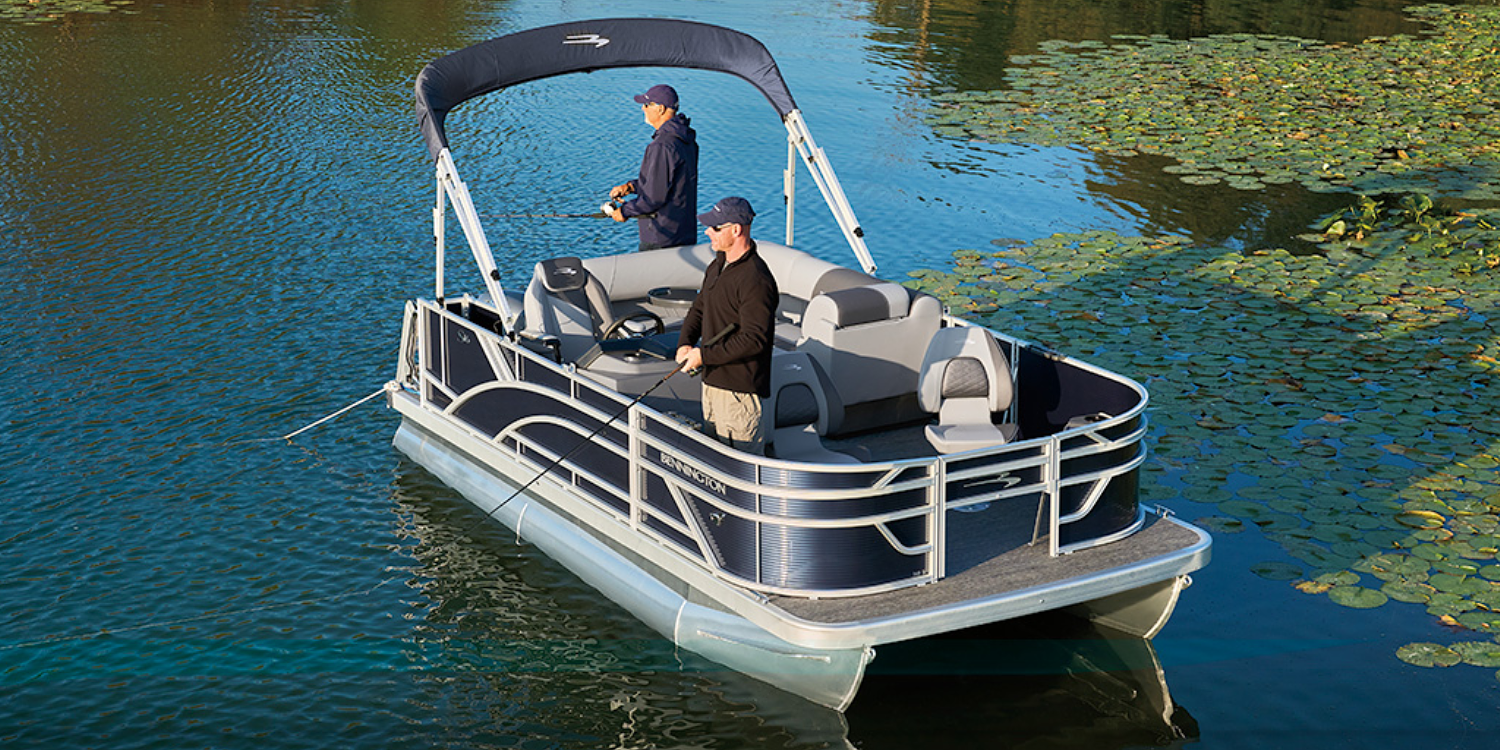
Pontoons get overlooked sometimes because anglers picture them as party boats, but the same flat, stable deck that handles cruising duty makes a solid fishing platform too. You can walk around without rocking the boat, stand up to cast without losing balance, and bring along kids or non-anglers who'd tap out on a bass boat after an hour. Bennington fishing floor plans come with dedicated fish stations, livewells, and pedestal fishing seats, so you're not bolting features on after the fact.
What to Pack the Night Before
A solid packing list keeps you from making three trips back to the truck before you ever leave the ramp. These basics cover most days.
- Two or three rods rigged for the species you're after
- Tackle box with hooks, weights, swivels, soft plastics, and a small lure spread
- Bait, whether worms, minnows, or whatever your target fish prefers
- Pliers, line clippers, and a small first-aid kit
- Cooler with ice, drinks, and snacks for everyone onboard
- Sunscreen, hat, polarized sunglasses, and a rain jacket
- Fishing license and any required stamps
- Charged trolling motor battery, plus a backup if you have one
- Life jackets sized for every passenger
Tape the list to your garage wall and check things off as you load. It's old-school, and it works.
Reading the Water and Finding Fish
The biggest learning curve for newer boat anglers is figuring out where the fish actually are. These rules of thumb help once you're on the water.
- Largemouth bass hold close to structure, like submerged trees, dock pilings, and weed edges.
- Crappie school up around brush piles and bridge supports, usually 8 to 12 feet deep in spring and fall.
- Catfish hang in deeper channels, around rocky points, and along old creek beds.
- Bluegill stay shallow near vegetation and like calm, sunny pockets between weed beds.
A fish finder cuts the guesswork in half. Watch for arches over the bottom contour and pay attention to bait schools, which show up as cloudy blobs on the screen. If you find bait, predators usually aren't far behind.
Fishing-Friendly Features by Trim Level
Here's how the 2026 Bennington S Line trims stack up on features that matter to anglers:

Common Mistakes That Wreck a Good Day
Newer boat anglers tend to fall into a few patterns worth avoiding.
- Anchoring straight downwind and getting pushed off the spot. Face into the wind or current first, then drop slowly.
- Setting up too close to other boats. Give people their space and you'll be glad when somebody returns the favor.
- Skipping the on-the-water tutorial on a new boat. Learning to dock and trailer with a salesman beside you beats fumbling it out at a busy ramp.
- Forgetting to drain the livewell and bilge before leaving the lake. Invasive species rules require it, and DNR officers check.
- Running the trolling motor battery flat before lunch. Pack a spare or stay closer to the launch.
Sort those five habits out and your next trip will go better than your last one.
Cast Off With a Boat From Reeder-Trausch Marine Indy
At our Indianapolis showroom, we carry Bennington, Lund, and Four Winns, with fish and fish-and-cruise floor plans built for every kind of angler. Every new boat we sell comes with on-the-water training, so you'll know how to dock, trailer, and handle your boat before you ever cast a line from it. Our service team handles fish finder rigging, trolling motor installs, and livewell add-ons, which means you spend more time fishing and less time figuring out wiring. Stop by and let us help you build the fishing boat you'll actually use.